Goa Carnival 2026: The Ultimate Guide to Dates, Parades & Celebrations
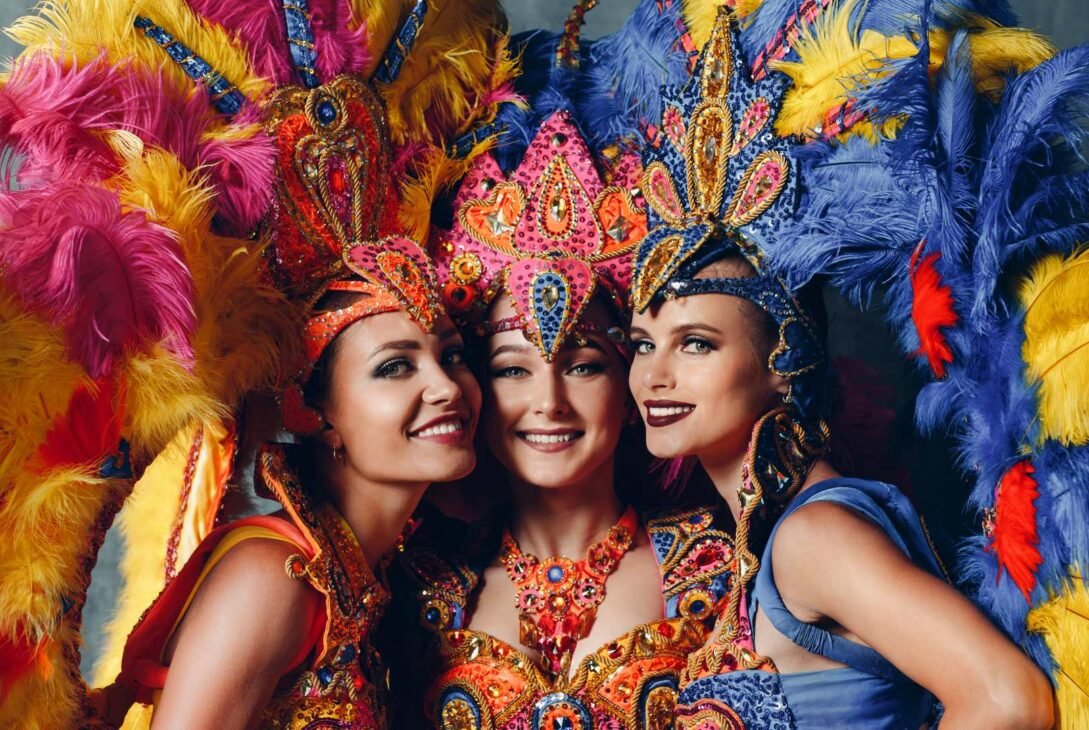
Experience the electric energy of Goa Carnival 2026, the state’s most anticipated cultural extravaganza. Known for its spectacular parades, vibrant floats, and “Viva Carnival” spirit, this centuries-old tradition transforms the coastal state into a massive open-air party.
Whether you are a local or a traveler planning your trip, this guide covers everything you need to know about the dates, routes, and history of this unique pre-Lenten festival.
What is the Goa Carnival?
Rooted in over 500 years of history, the Carnival is a legacy of Portuguese rule in Goa. It takes place annually before the holy season of Lent—a time of fasting for Catholics. The Carnival serves as a final period of feasting and merrymaking, officially commencing when King Momo (the mythological king of chaos) decrees his rule of “Eat, Drink, and Be Merry.”
While the festival was originally a European tradition, today’s Goa Carnival 2026 is a distinctly Goan celebration. It blends Portuguese influences with Konkani culture, featuring local theater (Khell Tiatr), folk dances, and a strong message of community unity.
Goa Carnival 2026: Official Dates & Schedule
For 2026, the festivities have been extended to include a curtain-raiser, running from February 13th to February 17th. The main parades move to a different city each day to manage crowds and allow everyone to participate.
Goa will host its carnaval 2026 february 13 through february 17
| Date | Day | Location | Event Details & Route (Tentative) |
| Feb 13 | Friday | Porvorim | Curtain Raiser: The festivities kick off here. Route: Institute of Hotel Management (IHM) to ACDIL School. |
| Feb 14 | Saturday | Panaji | Grand Parade (Main Event): The biggest and most popular float parade. Route: New Patto Bridge to Campal Ground (along the Mandovi River). |
| Feb 15 | Sunday | Margao | South Goa Celebration: Known for cultural authenticity and large crowds. Route: Holy Spirit Church to Margao Municipal Square. |
| Feb 16 | Monday | Vasco | The Port Town Parade: A lively, community-focused procession. Route: St. Andrew’s Junction / Swatantra Path. |
| Feb 17 | Tuesday | Mapusa / Morjim | Grand Finale (Shrove Tuesday): The final parades before Lent begins. Route: Near Milagres Church to Bodgeshwar Temple. |
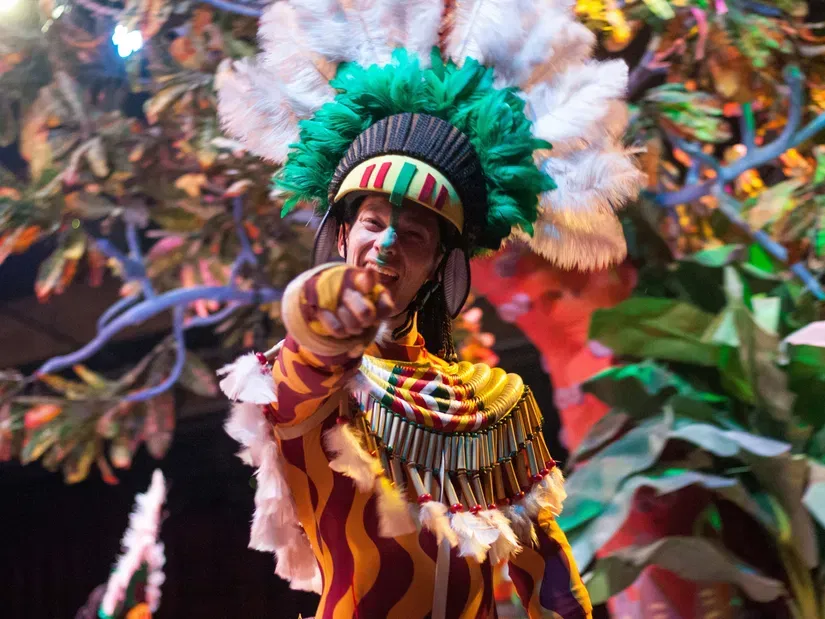
Traveler Tip: The panjim carnival 2026 Panaji parade (Feb 14) draws the largest crowds. If you prefer a slightly more relaxed viewing experience, the Vasco or Mapusa parades are excellent alternatives.
Key Highlights for 2026
The Goa Carnival 2026 is set to be special with a focus on “Responsible and Regenerative Tourism.”
- Theme: The 2026 slogan echoes the sentiment: “Amche Goem, Amche Lok, Amcho Carnival” (Our Goa, Our People, Our Carnival).
- King Momo: A local resident is selected annually to play King Momo. He leads the parade on a magnificent float, surrounded by dancers and acrobats.
- Red & Black Dance: Traditionally held on the final day in Panaji, this ticketed street dance is a cultural throwback where participants dress in red and black attire.
Major Celebration Hubs l goa carnival 2026 dates schedule
The festival spreads across multiple towns, each offering a unique vibe:
- Panaji (North Goa): The capital city hosts the flagship parade. Expect massive floats, loud music, and a riverfront packed with spectators. It is high-energy and crowded.
- Margao (South Goa): As the cultural capital, Margao’s parade often features more traditional cultural floats and folk performances.
- South Goa vs. North Goa: While the main events happen in the cities, many travelers choose to stay in South Goa (places like Utorda, Benaulim, or Colva). This allows you to enjoy the energetic Carnival by day and retreat to clean, quiet beaches by night.
Food, Music, and Festive Flavours
You cannot experience Goa Carnival 2026 without indulging in the local cuisine. The streets are lined with stalls serving Goan delicacies that are traditionally consumed before the Lenten fast.
- Sorpotel: A spicy, vinegar-based pork dish best eaten with sannas (steamed rice cakes).
- Bebinca: The queen of Goan desserts, a multi-layered cake made of coconut milk and eggs.
- Seafood: Fresh catches prepared with Recheado masala.
Frequently Asked Questions (FAQs)
1. When exactly is the Goa Carnival 2026?
The main celebrations run from February 14th to February 17th, 2026, with a special Curtain Raiser event in Porvorim on February 13th.
2. Is there an entry fee for the Carnival?
No, watching the street parades for Goa Carnival 2026 is completely free. You simply line up along the parade route. However, specific evening events like the “Red and Black Dance” may have a small entry fee (approx. ₹100).
3. Which is the best day to visit?
If you want to see the grandest spectacle, visit Panaji on Saturday, Feb 14th. If you prefer a more cultural and slightly less chaotic atmosphere, visit Margao on Sunday, Feb 15th.
4. Why is the Carnival celebrated?
It is a pre-Lenten festival. It marks the final days of enjoyment, feasting, and partying before the 40-day period of fasting and penance (Lent) begins on Ash Wednesday.
5. Where should I stay during the Carnival?
Hotels in Panaji sell out months in advance. For a balanced trip, consider staying in South Goa (e.g., Kenilworth Goa on Utorda Beach) or North Goa coastal belts (Candolim/Calangute) and taking a taxi to the parade venues.
Follow Paper Thought on LinkedIn and Google for creative analysis, expert insights, and in-depth stories on travel, culture, lifestyle, and digital trends. Stay inspired with fresh perspectives and timely updates—only on Paper Thought.
Last modified: February 13, 2026